
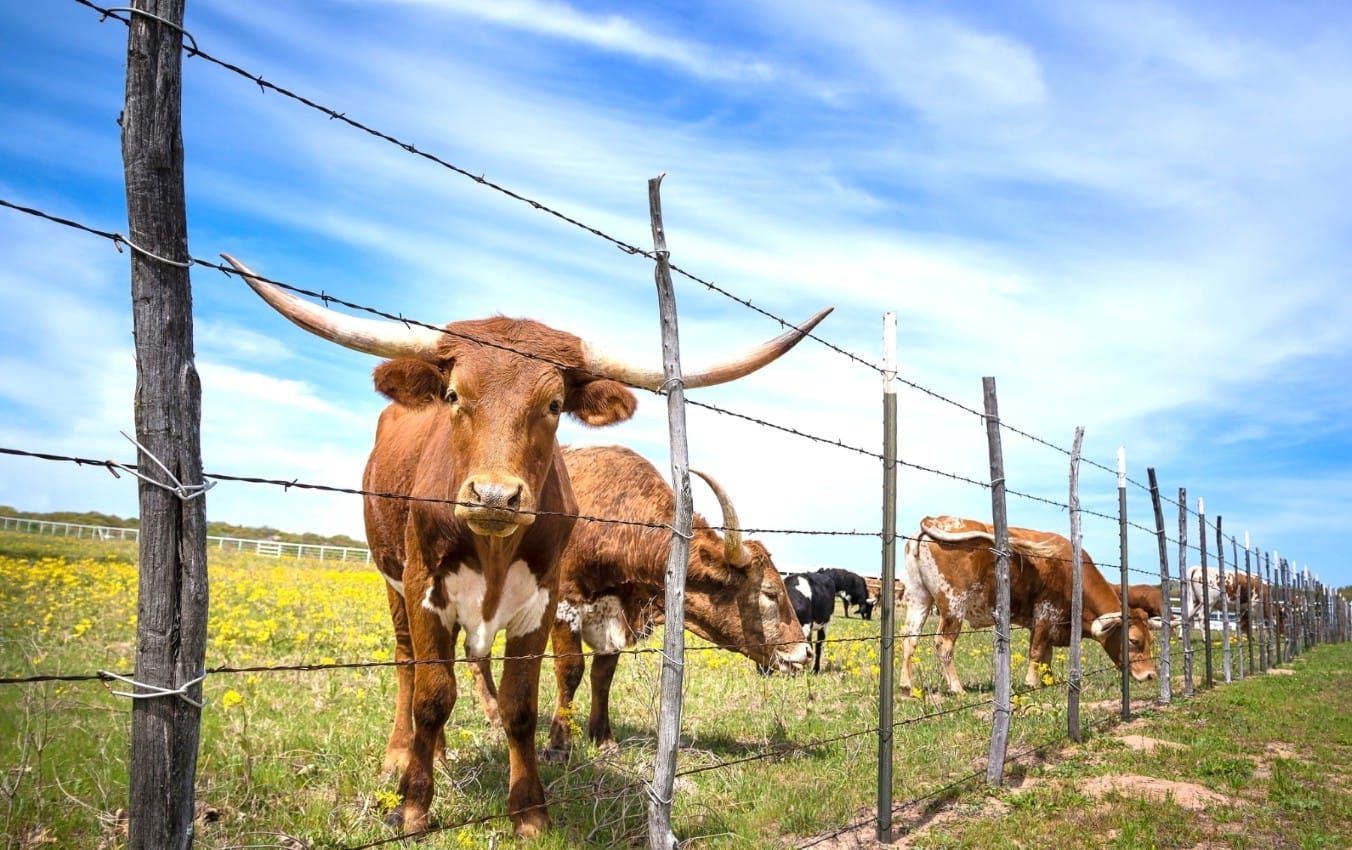
Burrowing rodents are more than a nuisance on cattle and horse ranches. Prairie dogs, ground squirrels, gophers, and other burrowing pests can quietly drive-up costs through forage loss, damaged ground, irrigation problems, erosion, equipment wear, and increased labor. What looks like “a few holes” can become a recurring operational issue across pastures, paddocks, fence lines, ponds, and hay ground.
Recent USDA Agricultural Research Service research found that expanding prairie dog colonies can reduce available forage and, at high occupancy levels, were associated with an 8% decline in yearling steer weight gain. The study also found that average impacts over 12 years were relatively modest under near-average rainfall, suggesting the biggest concern for ranchers may be when burrow activity, forage pressure, and dry conditions overlap.
UC Agriculture & Natural Resources also notes that California ground squirrels can affect livestock operations through burrows, erosion, pond-dam damage, infrastructure damage, forage competition, and potential leg injuries. A 2022 Wyoming/Great Plains economic analysis found that prairie dogs decrease forage availability for grazing, reducing annual livestock returns.
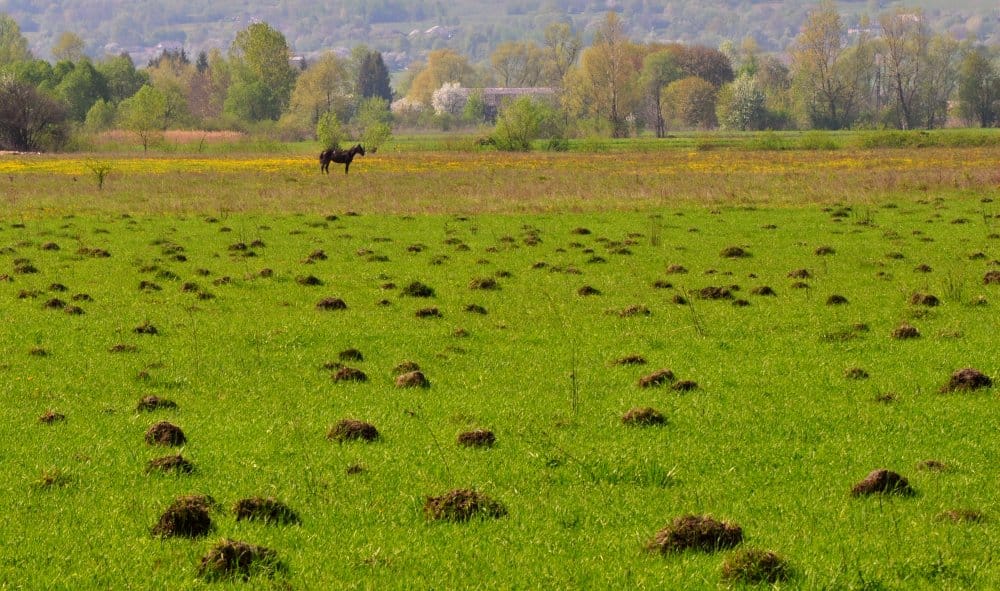
A Horse Surrounded by Burrows
For ranch owners, the issue is not just the pest itself. It is the ripple effect: less usable forage, more time spent repairing ground, more attention needed around irrigation lines and dams, and more crew hours spent revisiting the same problem areas.
“In Wyoming and Montana, ranchers understand land management in a very practical way,” says Art Guzman, BurrowRx western regional sales representative for BurrowRx. “They’re not looking for gimmicks. They want a tool that helps them address burrow systems efficiently, especially where pests are competing with livestock for forage or creating problems around pastures and fence lines.”

Using the BurrowRx
In Texas, Colorado, and New Mexico, Ed Bredemeyer, south regional sales rep for BurrowRx sees a similar pattern.
“On ranches, the cost is often hidden until you add up the labor,” says Ed. “A burrow system may start as a small area, but then you’re dealing with washouts, rough ground, damaged irrigation, or repeated callbacks. Ranchers want a faster way to get control and move on.”
BurrowRx changes the workflow by treating the burrow network directly. Smoke-oil helps crews see where gas is traveling, identify exits, and seal the system more completely. Typical injections take about 5–8 minutes per opening, depending on soil type, tunnel length, and field conditions.
Bottom Line
The bottom line: burrows carry a real ranch cost. By taking a network-focused approach, ranch owners can protect forage, reduce labor, limit repeat repairs, and manage land more efficiently.
Learn more about why many ranch operators choose the BurrowRx. www.BurrowRx.com.