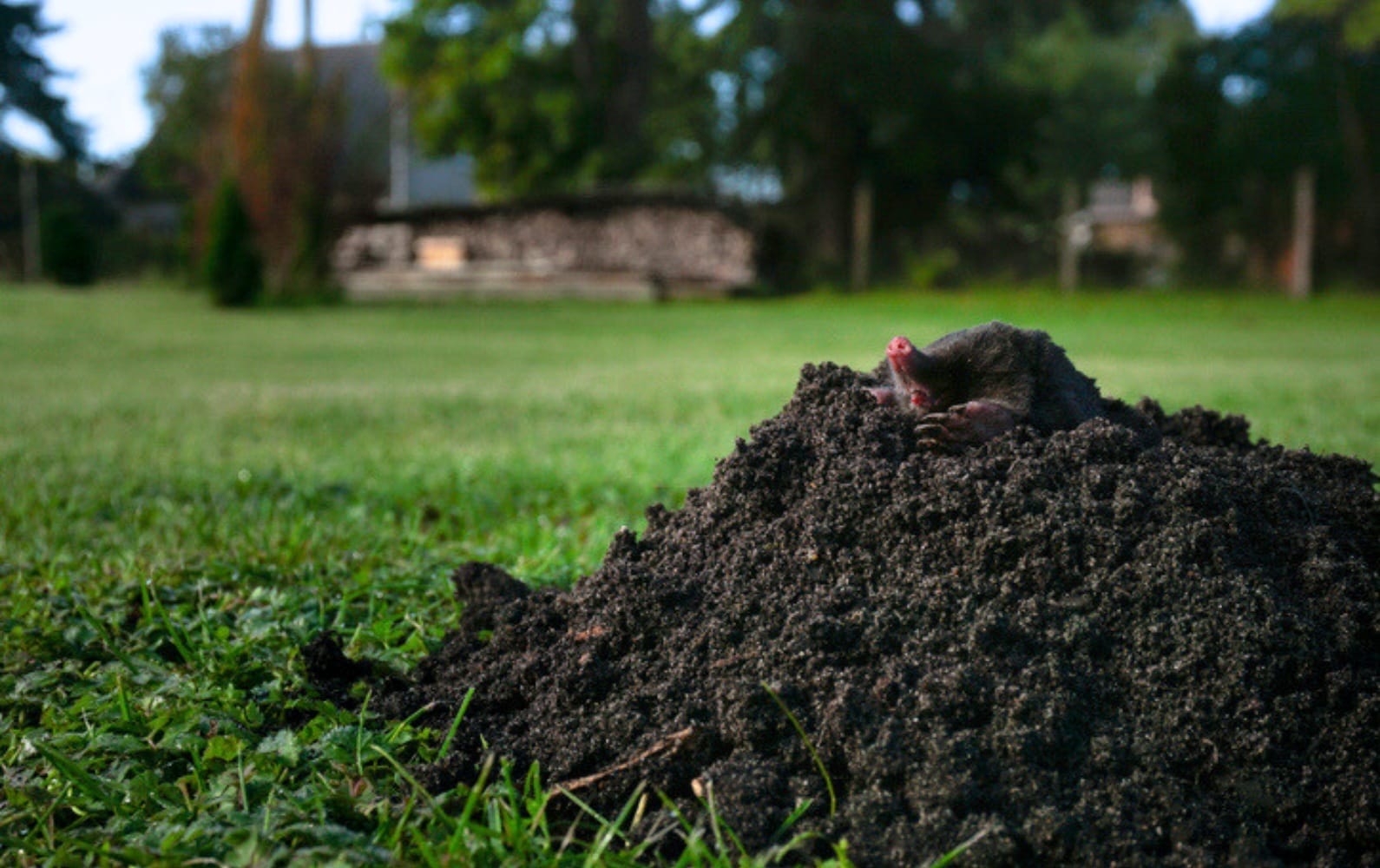
Burrow activity is more than “a few mounds.” It’s hidden costs—soft spots that fail under mowers, irrigation leaks that waste water and time, and trip hazards that create real risk. When you tally the weekly impact, the case for a faster, verifiable control method like the BurrowRx Carbon Monoxide Sprayer becomes clear.
Where the money leaks:
- Turf & surface repair: Collapsed runs cause thin lies, scalping, and re-sodding—plus aesthetic complaints.
- Irrigation & utilities: Chewed drip lines, undermined berms, and reruns on low-voltage or landscape edges.
- Labor drag: Digging, bait rounds, and return visits eat crew hours that should go to core work.
- Safety & liability: Holes and soft spots increase the odds of falls, equipment damage, or animal injuries.
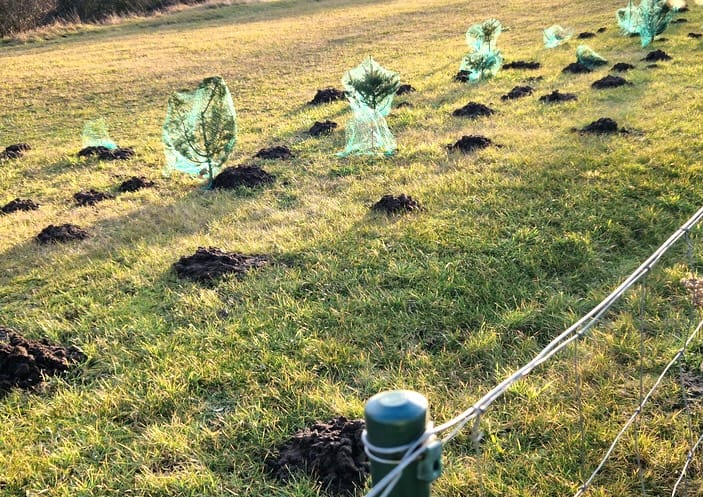
Mole Damage Near Growing Saplings
Why BurrowRx changes the math:
- Network-level control: Treatments occur inside the system; smoke-oil shows gas paths so crews can seal every exit in one pass.
- Speed: Typical injections are ~3–4 minutes per opening (adjust for soil and run length).
- Consistency: Standard timing by soil type, plus the probe for deeper access, reduces machine moves and call-backs.
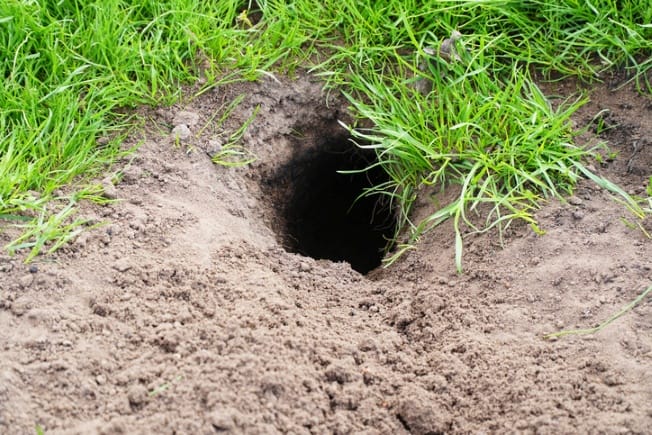
Freshly Dug Gopher Hole
Simple ROI lens:
- Cut weekly burrow hours in half (or more), avoid even one irrigation repair, and reduce rework—and the equipment’s payback can arrive in weeks, not months. Add repeatable visuals (photos of smoke and sealed exits) for clean reporting to GMs, owners, or inspectors.
Bottom Line
If you’re repairing the same edges, lines, and surfaces twice, you’re paying the “burrow tax.” Switch to a network-focused workflow and keep those hours—and dollars—on your priorities.
To estimate your ROI, talk to your regional rep.